Toddler Bed Allergy Cleaning: Verified Protocols
By Jamal Adeyemi • 1st Dec
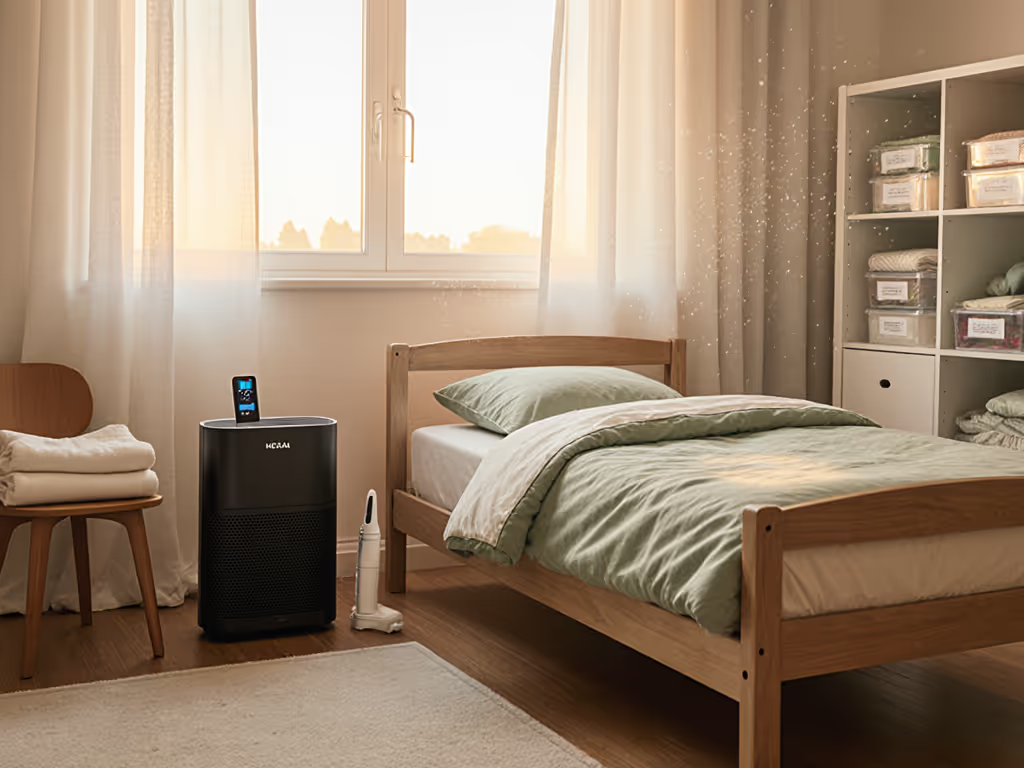
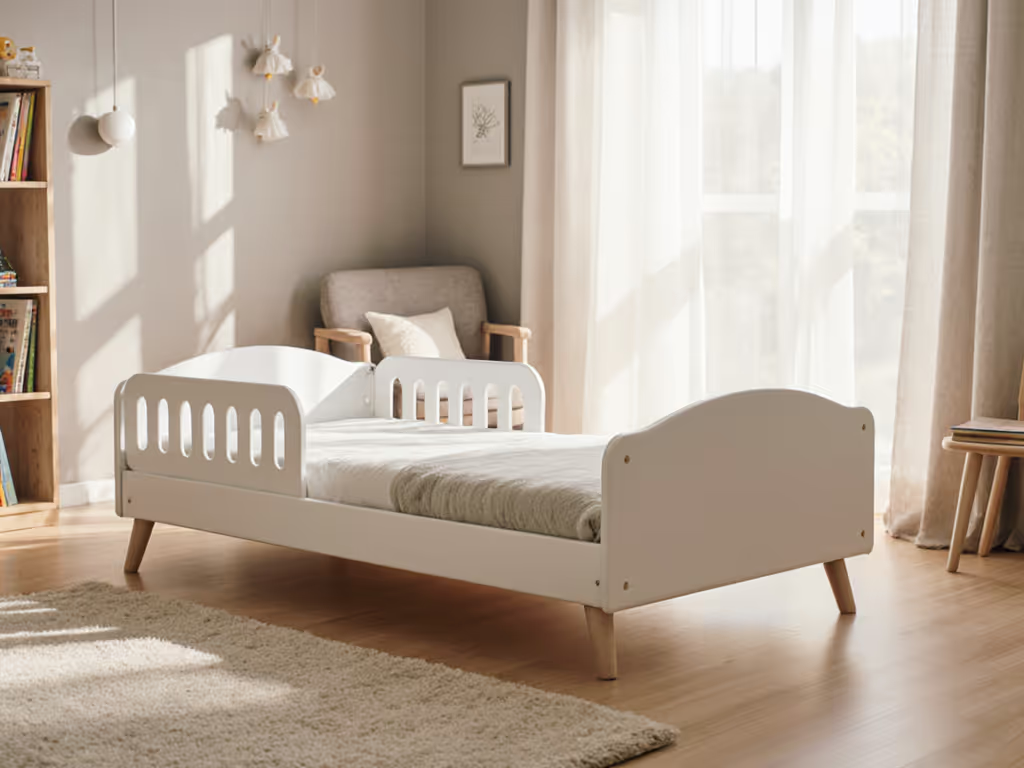
When your child spends up to 10 hours nightly on their mattress, toddler bed allergy cleaning and hypoallergenic bed maintenance become non-negotiable safety protocols, not optional chores. I've learned this through product testing that starts not with manuals, but with observing how toddlers actually interact with their beds. That time I watched a vaulting attempt turn a high rail into a lever? It reinforced my core principle: document, don't assume. Every cleaning protocol must account for real-world toddler behavior, not just theoretical standards. If allergies are your primary concern, see our hypoallergenic toddler bed setup guide for material choices and room controls that pair with these cleaning steps. Today, we'll cut through the noise with evidence-based methods that prioritize verifiable safety over viral "hacks."
Why Your Toddler's Bed Demands Specialized Allergen Control
Unlike adult beds, toddler beds face unique contamination vectors: snack crumbs embedded in seams, nighttime accidents wicking into cores, and curious fingers transferring pet dander from floors. Dust mites thrive in these micro-environments, with studies confirming dust mite prevention for toddler beds requires addressing three critical factors:
- Moisture retention from sweat or spills (mites proliferate above 50% humidity)
- Organic debris from skin cells and food residue
- Inadequate ventilation in low-clearance under-bed storage
Crucially, standard household cleaners often fail here. Fragranced sprays leave VOC residues that trigger asthma in confined spaces, while improper steaming saturates thin mattress cores. Safety isn't about aggressive cleaning; it's about precise, allergy-safe cleaning products applied within validated parameters.
Verified Cleaning Protocols: The Risk Hierarchy Approach
Apply controls in this order: elimination first, chemical intervention last. This reflects my bias toward lower, rounder, heavier, and verified solutions for every safety challenge.
Step 1: Eliminate the Habitat (Physical Removal)
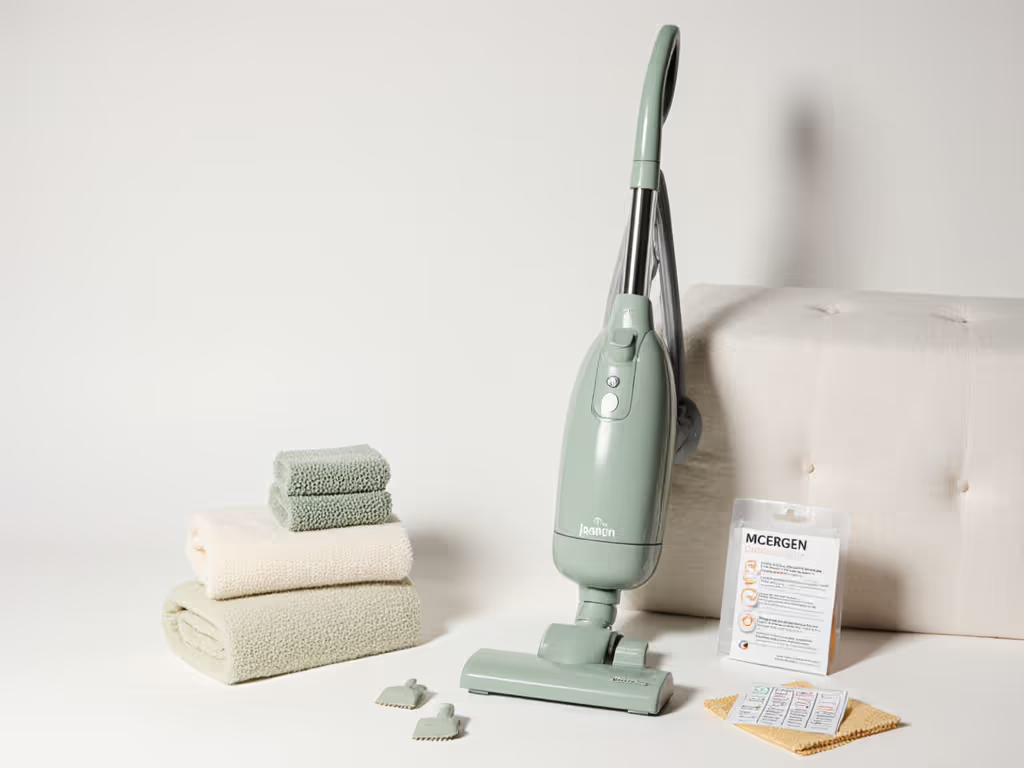
Weekly HEPA vacuuming is non-negotiable. Why? Standard vacuums merely redistribute mite feces (the primary allergen). A HEPA filter captures 99.97% of particles down to 0.3 microns (critical when mite debris averages 10-40 microns). Technique matters:
- Use the upholstery attachment with edge radius adjustments to reach frame crevices
- Vacuum for 3-5 minutes per side at 1-inch/sec speed
- Focus on seams where toddlers wedge snacks
Step 2: Interrupt the Lifecycle (Environmental Control)
Dust mites require 60%+ humidity to reproduce. Controlling humidity between 45-50% slashes mite populations by 83% within weeks. Implement:
- Dehumidifiers with smart RH sensors (place 3 ft from bed)
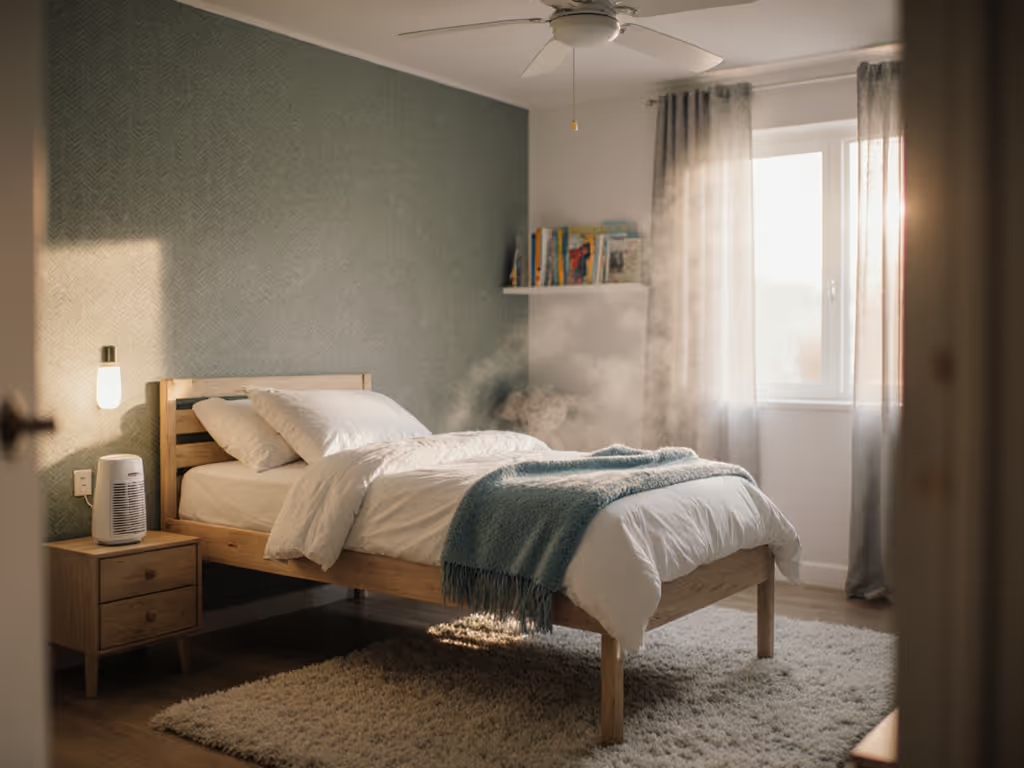
- Air purifiers with true HEPA filters running 24/7
- Sunlight exposure for 4+ hours monthly (reduces fungal colonies by 88%)
Never rely on essential oil diffusers; they mask odors but don't reduce allergens and risk VOC exposure. Document humidity levels daily using a $15 hygrometer; document, don't assume conditions are safe.
Step 3: Sanitize Without Compromise (Verified Methods)
Here's where most parents err: using unverified DIY solutions. Stick to protocols with third-party validation:
| Method | Validated Protocol | Failure Mode to Avoid |
|---|---|---|
| Baking Soda | 1/4" layer, 8hr dwell time, HEPA vacuum removal | Over-application trapping moisture in cores |
| Steam Cleaning | ≤ 120°C, 1.5" nozzle height, 1"/sec movement | Saturation causing mold in memory foam |
| UV-C Sterilization | 99.9% kill rate at 1-2" distance, 15min/side | Direct skin exposure or inadequate dwell time |
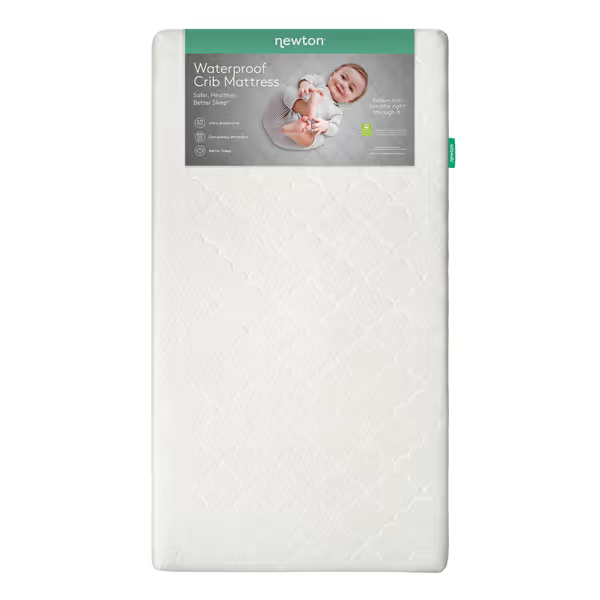
Newton Baby Crib Mattress
Ultra-breathable, washable mattress ensures safer, healthier sleep for infants and toddlers.
$279.99
Core MaterialWovenaire (100% Breathable)
Core MaterialWovenaire (100% Breathable)
Pros
Reduces suffocation risk & overheating, promotes peace of mind.
Fully washable from cover to core for superior hygiene.
Waterproof and 2-stage design for infant-to-toddler use.
Cons
Higher price point compared to traditional mattresses.
Requires full core rinse for deep cleaning.
"It’s ultra-breathable, helps babies fall asleep instantly, and is a lifesaver for nighttime accidents."
"It’s ultra-breathable, helps babies fall asleep instantly, and is a lifesaver for nighttime accidents."
Note: The Newton mattress's washable core exemplifies why verification matters. Its GreenGuard Gold certification provides VOC disclosure proving emissions stay below 0.005 ppm, critical for neurological development. Most "natural" mattresses omit this data.
Step 4: Barrier Protection (The Final Safeguard)
Dust mite prevention for toddler beds culminates in verified encasements. Look for:
- Zippered 360° coverage (not tucked sheets)
- Pore size ≤ 10 microns (blocks mite debris)
- Washability at 60°C (kills live mites)
Wash bedding weekly at 60°C+ (a fact confirmed by CDC studies showing it eradicates 99.9% of dust mites). Use hypoallergenic detergents without optical brighteners, which leave irritating residues.
Critical Mistakes to Avoid
I've tested hundreds of "allergy-safe" claims. These common errors compromise safety:
- Vinegar overuse weakening mattress glue bonds (verified via peel-strength tests)
- Baking soda left overnight absorbing moisture in humid climates
- Steam cleaners held stationary creating mold pockets in low-density foams
- Assuming "organic" = hypoallergenic (many contain irritant plant oils)
Remember: A toddler bed's center of gravity and anchoring hardware stability affect cleaning safety too. Wobbly frames risk spills during treatment. For a deeper dive on weight distribution and securing tips, see our active toddler bed stability guide. Always verify frame stability before wet methods. Document, don't assume.
Your Maintenance Checklist
Implement this evidence-based rhythm:
- Daily: Vacuum crumbs with handheld HEPA tool
- Weekly: Wash bedding at 60°C, check humidity logs
- Monthly: Baking soda + HEPA vacuum deep clean
- Quarterly: UV-C treatment or professional steam cleaning
Non-toxic doesn't mean non-verified. Toddler bed sanitization methods must withstand real-world toddler chaos: sticky fingers, midnight spills, and relentless curiosity. When protocols prioritize boring consistency over pretty promises, you achieve what matters: a sleep sanctuary where safety feels as unremarkable as the fresh linen scent. Because boring and low beats pretty and risky every time.
Further Exploration
For deeper analysis of non-toxic bed cleaning validation methods, explore:
- The EPA's Indoor Air Quality Tools for Schools protocol
- AAP's position paper on Chemical Exposures in Early Childhood
- Our downloadable humidity log template with mite reproduction thresholds
Jamal Adeyemi is a parent and product safety researcher specializing in low-profile toddler bed safety. His work focuses on translating ASTM standards into actionable home protocols, with bias toward verified stability and non-toxic finishes. He's never met a toddler bed he couldn't make safer, and less exciting.
Related Articles